
Are Swedish Dishcloths Worth It? Reusability, Cleaning & Everyday Benefits
Posted by Esthetic Living Team on Oct 15th 2026
A Swedish Dishcloth Is Worth It When You Use It for the Right Jobs
Are Swedish dishcloths worth it? For many kitchens, yes - especially if you regularly reach for paper towels to wipe counters, clean small spills or tidy up after meals. A Swedish dishcloth is washable, reusable and easy to keep close to the sink. Its value comes less from being a novelty product and more from how often it earns a place in an ordinary cleaning routine.
But a reusable Swedish dishcloth is not a perfect replacement for every sponge, towel or disposable wipe. Understanding where it performs well, how to look after it and when to use something else is the best way to decide whether it suits your kitchen.
1. What Makes a Swedish Dishcloth Different?
A Swedish dishcloth combines the flexible feel of a wet cloth with the absorbency associated with a sponge. It is relatively firm when dry, then softens as soon as it is dampened. Because it is flat, it can be wrung out and hung or laid open to dry between uses.
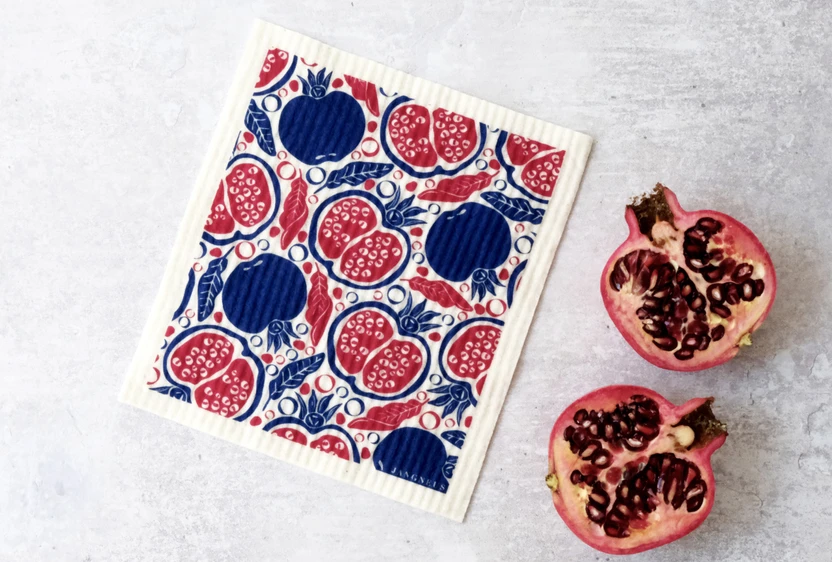
Jangneus Swedish dishcloths are made from 70% cellulose and 30% cotton. They are designed in Sweden, machine washable and described by the brand as biodegradable. The cloths can absorb up to 15 times their own weight in water, making them particularly useful for small everyday spills.
2. Where Reusable Swedish Dishcloths Earn Their Keep
The easiest way to judge the benefits is to think about how many small cleaning jobs happen in your kitchen every day. A dishcloth can be rinsed and used again after tasks such as:
- Wiping crumbs and ordinary food residue from a countertop or dining table.
- Soaking up splashes around the sink or after making drinks.
- Cleaning the outside of appliances and other wipeable kitchen surfaces.
- Wiping up routine spills instead of reaching for several paper towels.
- Washing dishes when you prefer a flexible cloth to a bulky sponge.
The practical advantage is convenience: keep the cloth near the sink, rinse it after use and allow it to dry. It is available for the next small job without opening a fresh roll of paper towels.
3. Can They Really Reduce Paper Towel Use?
They can reduce the number of disposable paper towels you use for routine wiping, provided you actually substitute the cloth for those tasks. That is a more realistic benefit than promising a fixed amount of money saved. Your results depend on how often you clean, how quickly you normally use paper towels and how you care for the dishcloth.
You may still prefer disposable towels for certain unpleasant or contamination-prone messes. The goal is not to eliminate every other cleaning product. It is to choose a washable cloth for the frequent, low-risk tasks that do not require something single-use.
 4. Cleaning and Care Make the Difference
A reusable dishcloth is only useful if it is kept clean. Rinse away food and residue after use, wring it out and leave it spread open where air can circulate. Avoid leaving it in a damp pile beside the sink.
Jangneus dishcloths are machine washable, which makes them easy to rotate with other kitchen linens. Wash them according to the care instructions and replace a cloth if it remains stained, damaged or unpleasant-smelling after cleaning. For spills involving raw meat juices or other potentially harmful contaminants, follow appropriate food-safety cleaning and sanitizing practices rather than treating a quick rinse as sufficient.
5. What Are the Drawbacks?
A Swedish dishcloth has limits. It needs rinsing, drying and occasional laundering. Someone who leaves cloths wet in the sink may find a reusable routine less appealing than they expected. And although a dishcloth is absorbent, it is not a substitute for a dedicated scrubber when a pan needs heavy-duty scouring.
It also should not become the one cloth used for everything. Keeping cleaning cloths separate from kitchen towels reserved for drying clean dishes or hands is a simple way to maintain a more hygienic setup.
6. Practical Benefits Can Look Good, Too
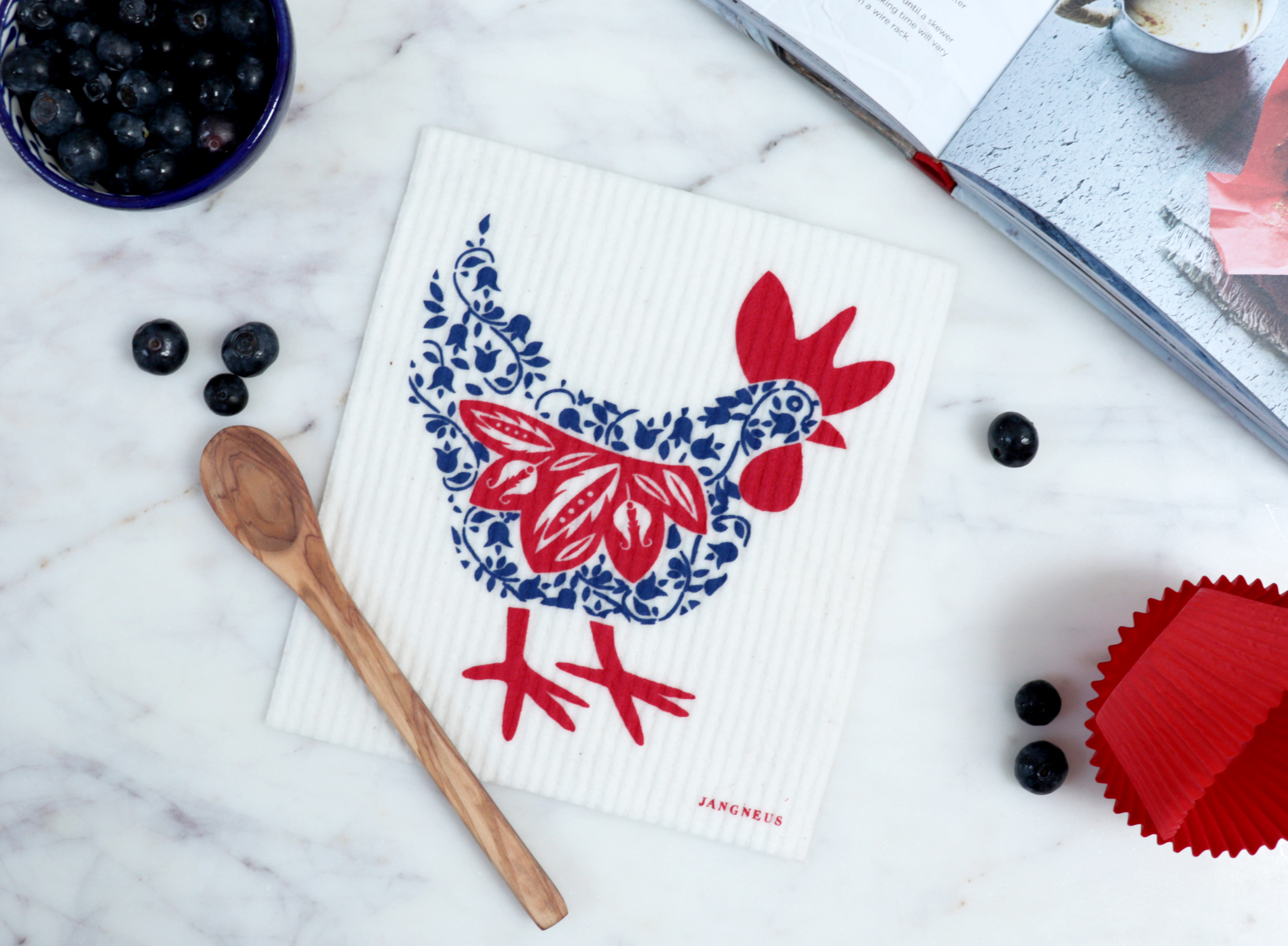
Not every kitchen purchase needs to be purely functional or purely decorative. A Swedish dishcloth that is pleasant to keep on display is more likely to stay within reach and actually get used. Jangneus offers Scandinavian-inspired designs that can be paired with coordinating cotton kitchen towels or a matching Kitchen Set.
That also makes a dishcloth an easy addition to a small housewarming or hostess gift: it is light, useful and does not require someone to change how their kitchen is arranged.
Are Swedish Dishcloths Worth It? The Bottom Line
A Swedish dishcloth is worth considering if you want a washable, absorbent tool for frequent countertop wipe-downs, small spills and everyday cleaning. It may help you rely less on paper towels, but the real benefit comes from repeated use and sensible care - not from an unrealistic promise that one cloth will replace every cleaning product.
If you enjoy practical kitchen items with a little personality, a reusable Swedish dishcloth is a small change that can fit naturally into a daily routine.