
What Is a Tea Towel Used For? Everyday Kitchen Uses Explained
Posted by Esthetic Living Team on Oct 6th 2026
A kitchen towel is one of those everyday items that rarely gets much attention until it stops doing its job. The right towel should dry dishes, handle damp hands, help with light kitchen tasks, wash well and still look good hanging from an oven handle or hook. When you are choosing kitchen towels for kitchen use, the goal is not simply to find a pretty pattern. Material, absorbency, size, construction and care all affect how useful the towel will be day after day.
The terms kitchen towel and tea towel are often used interchangeably, especially for flat woven cotton towels used for drying and serving. In practice, the best choice comes down to what you want the towel to do most often and how it fits into the way your kitchen works.
1. Start With the Material
Cotton Is a Practical Everyday Choice
Cotton kitchen towels are popular because they combine softness, absorbency and easy care. A good cotton towel can handle drying dishes, wiping hands and everyday kitchen use without feeling overly bulky. Cotton also becomes more absorbent after washing, which makes it particularly useful for a towel that will be used repeatedly throughout the week.
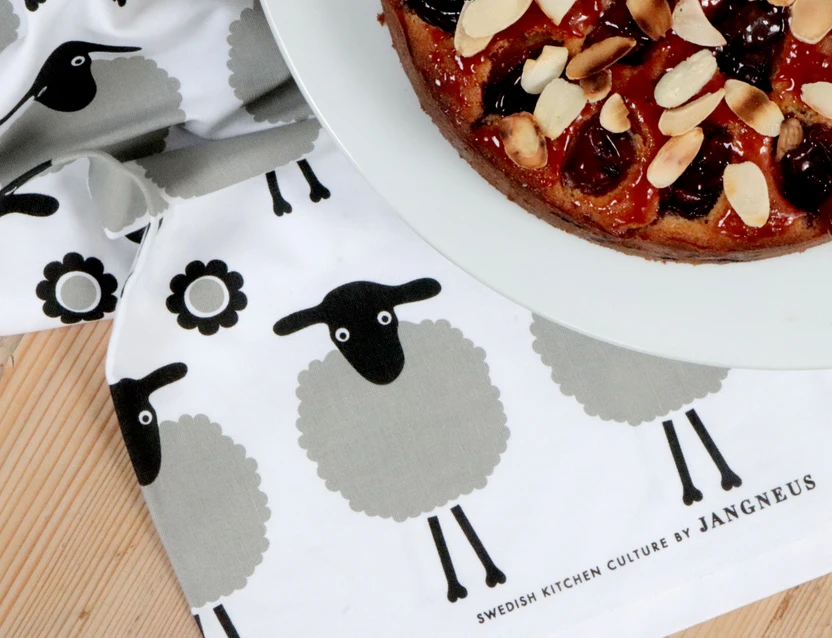
For a general-purpose kitchen towel, 100% cotton is a dependable option. It is washable, comfortable to handle and suitable for both functional and decorative use. Jangneus kitchen towels are made from 100% cotton, giving them the practical qualities expected from an everyday towel while allowing the Scandinavian patterns to remain part of the kitchen decor.
What About Linen or Microfiber?
Linen is lightweight, fast drying and often preferred for glassware because it can leave less lint. Microfiber can absorb water quickly, but its texture and synthetic feel are different from a traditional woven kitchen towel. For shoppers who want a classic towel that can move easily between drying, serving and display, cotton remains one of the most versatile choices.
2. Look for Useful Absorbency - Not Just Thickness
A thick towel is not automatically the most absorbent towel. The weave, fiber and how the towel has been finished can matter just as much as weight. A kitchen towel should pick up moisture efficiently without staying wet for too long. If it becomes saturated immediately and remains damp for hours, it is less useful for repeated kitchen tasks.
For everyday use, it helps to keep more than one towel in rotation. One can be used for hands, another for dishes, and a clean towel can be kept for serving or covering food. Rotating towels also makes it easier to wash them regularly instead of relying on one towel for every task.
3. Choose a Size That Is Easy to Use
Kitchen towels should be large enough to dry cookware and dishes comfortably but not so oversized that they drag on countertops or become awkward to store. A longer towel can also be folded over an oven handle, draped beside a sink or used beneath serving pieces.
Jangneus kitchen towels measure approximately 19" x 30", a practical format for daily kitchen use. That size gives enough surface area for drying while remaining easy to fold, hang and coordinate with matching kitchen textiles.
4. Think About How You Actually Use a Kitchen Towel
Before buying, consider the jobs your towels need to handle. A kitchen towel can serve several purposes, but different households naturally use them in different ways.
- Drying plates, cutlery, cookware and glassware.
- Drying hands between food-preparation tasks.
- Lining a bread basket or serving tray.
- Covering baked goods or dough while resting.
- Adding a clean layer beneath dishes when serving.
- Bringing color and pattern to the kitchen when hung or folded on display.
If you primarily use towels for drying dishes, prioritize absorbency and easy washing. If your towels are also part of the room's styling, pattern and color become equally important. A well-designed tea towel or kitchen towel can do both.
5. Check the Care Instructions
Kitchen towels are used around food, water and frequently touched surfaces, so regular washing is essential. Machine-washable towels are the most practical option for everyday use because they can be rotated into normal household laundry without special treatment.
Avoid letting a damp towel sit crumpled on the counter. Hang it where air can circulate and replace it with a clean towel regularly. Keeping several towels available makes this simple and helps each towel last longer.
6. Design Matters More Than It Seems
Kitchen textiles take up very little space, but they can change the look of a room quickly. A towel hanging from an oven, folded beside the sink or paired with matching dishcloths becomes part of the overall kitchen palette. This is especially useful if you prefer to update your space seasonally without changing larger decor pieces.
Scandinavian kitchen towels work particularly well for this because the designs often balance simple forms with recognizable botanical, coastal, folk-art or food-inspired motifs. The result is practical enough for daily use but distinctive enough to leave on display.
7. Coordinated Sets Can Make Everyday Storage Easier
If you prefer a coordinated kitchen, look for towels that can be paired with other useful textiles. Matching a cotton kitchen towel with reusable Swedish dishcloths creates a practical set for drying, wiping and cleaning while keeping the colors and patterns consistent.
This also works well for gifting. A kitchen towel paired with coordinating dishcloths creates an easy housewarming, hostess or everyday kitchen gift because the pieces are useful rather than purely decorative.
What to Look For Before You Buy
A good everyday kitchen towel does not need to be complicated. Focus on the qualities that will matter once the towel is in regular rotation.
- A washable material such as 100% cotton.
- Enough absorbency for dishes and hands.
- A useful size that is easy to hang and fold.
- A weave that feels comfortable and dries reasonably quickly.
- Patterns and colors you are happy to keep on display.
- Coordinating options if you like matching kitchen textiles.
The Bottom Line
The best kitchen towels for kitchen use are the ones you will actually reach for every day. Cotton, useful absorbency, practical sizing and easy care matter more than novelty features. Once those basics are covered, design becomes the part that makes the towel feel personal to your space.
Whether you call it a kitchen towel or a tea towel, choose one that can move easily between drying, serving and display. A functional towel should earn its place in the kitchen - and a good design means you will not mind seeing it there.